
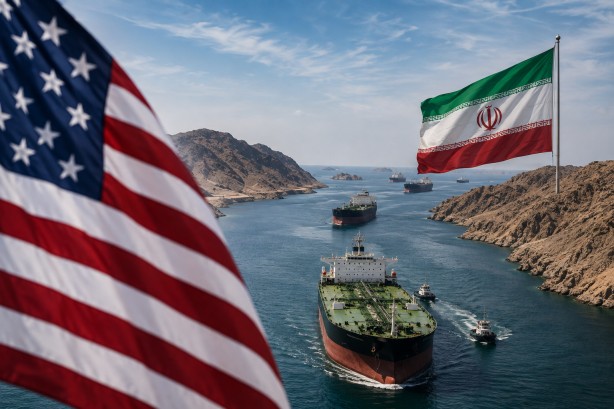
Progress is being reported in the negotiations between the United States and Iran regarding the reopening of the Strait of Hormuz, with a potential agreement anticipated in the coming days. U.S. Treasury Secretary Scott Bessent has indicated that discussions with Tehran remain active, expressing optimism about achieving a breakthrough soon. This development could lead to commercial vessels being permitted to transit the vital waterway without incurring tolls, thereby safeguarding freedom of navigation.
Qatar, serving as a significant mediator in these negotiations, has confirmed the circulation of a proposed de-escalation framework among the involved parties as diplomatic efforts persist. The Strait of Hormuz is a crucial passage for global oil and energy shipments, and its disruption amid rising regional tensions has been a cause for concern. The prospect of an agreement has already exerted downward pressure on oil prices, with analysts predicting further decreases should normal shipping operations resume.
President Donald Trump recently announced a postponement of planned military action against Iran, opting to provide space for continued negotiations. He emphasized that any future agreement should encompass the reopening of the Strait of Hormuz and address measures related to Iran’s nuclear program. The president’s decision underscores the U.S. commitment to pursuing diplomatic resolutions to the ongoing tensions in the region.
Previous efforts to reopen the Strait of Hormuz through a U.S.-Iran understanding reportedly faltered due to disagreements over shipping routes, exacerbating tensions. Current negotiations aim to forge a new agreement that will restore maritime traffic and contribute to regional stability. The strategic importance of the Strait of Hormuz, combined with its impact on global energy markets, makes the successful resolution of these talks critical.
