
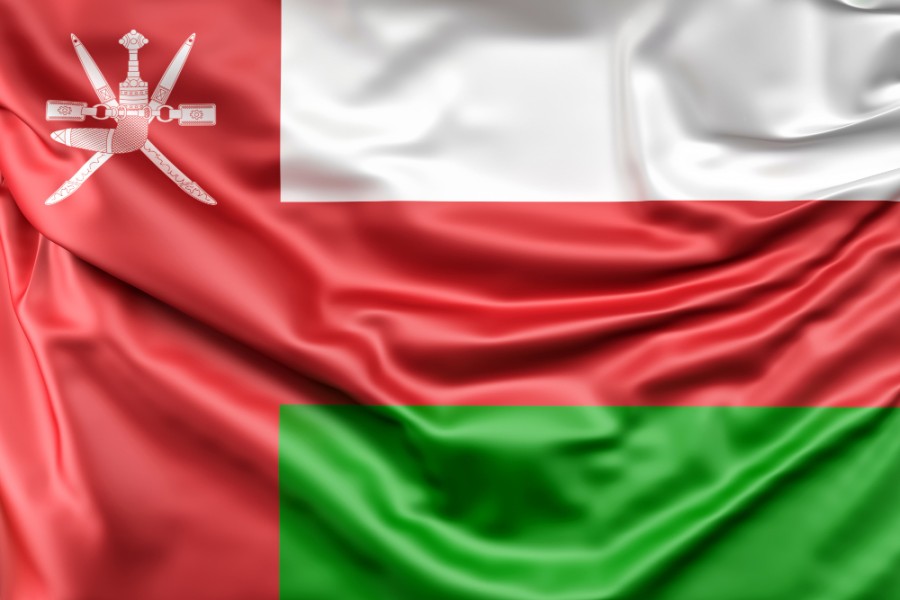
In response to mounting pressure from the United States, Oman has firmly reiterated its commitment to engaging with Iran solely to ensure the lawful and internationally recognized management of the Strait of Hormuz. As a long-standing partner of the US in the Gulf region, Oman has historically served as a neutral mediator in regional conflicts, maintaining open diplomatic channels with various parties, including Iran. Omani representatives emphasize that their conversations with Iran are geared towards creating a maritime governance framework that adheres to international law and involves consultation with global maritime authorities.
The United States, however, has grown increasingly skeptical of Oman’s neutral stance, fearing that it might inadvertently support Iran’s regulatory strategies in the vital waterway. The US has criticized Iran’s proposals for new maritime oversight mechanisms and possible fee structures within the strait, cautioning that such initiatives could endanger the principle of free navigation. Iran has suggested an organized system for managing transit through the strait, which includes a non-discriminatory fee structure aimed at funding environmental conservation and maritime security. Nonetheless, international maritime organizations have dismissed the notion of tolls or discriminatory charges on international straits.
Oman has consistently expressed its dedication to upholding freedom of navigation in line with international maritime laws and has clarified that it does not impose transit tolls. Instead, Oman continues to provide essential maritime services, such as rescue and navigation assistance, to ensure the safety and efficiency of passage through the strait. The Gulf nation’s stance reflects its intent to balance regional diplomatic engagements while adhering to international norms.
This ongoing dispute underscores escalating geopolitical tensions in the Gulf, with a particular focus on the strategic Strait of Hormuz. This narrow passage is one of the world’s most critical shipping lanes, through which a significant portion of the global oil trade flows. The developments around this vital maritime corridor are closely watched, given their potential impact on international trade and regional stability.
