
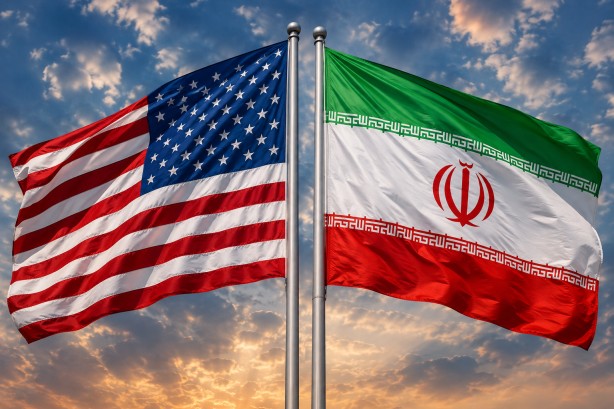
The United States has intensified its military actions by launching a second wave of airstrikes on various sites in Iran, following President Donald Trump’s announcement that efforts to sustain an interim agreement between the nations have ended. The U.S. military confirmed that these strikes were aimed at locations linked to Iran’s capacity to threaten maritime security in the strategic Strait of Hormuz. Iranian media reported explosions in Bandar Abbas, Sirik, and the Bushehr province, underscoring the gravity of the situation.
This escalation comes on the heels of a previous incident on Tuesday, where three commercial vessels navigating the Strait of Hormuz were attacked, significantly heightening tensions between Washington and Tehran. In reaction to these attacks, the United States also revoked a temporary sanctions waiver, which had previously allowed Iran to export oil. President Trump justified the airstrikes as a response to the aggression on commercial shipping and cautioned that any further hostile actions by Iran would provoke an even stronger response from the U.S.
In retaliation, Iran launched missiles and drones targeting U.S. military facilities in the Gulf region, including those in Bahrain and Kuwait. While Kuwait’s military reported intercepting some aerial threats, there were no immediate reports of substantial damage. Iranian officials asserted that the strikes in the Bushehr province did not damage the country’s nuclear power plant. They also made it clear that Iran would not succumb to pressure or military actions intended to alter its stance.
The renewed conflict has sparked concerns over global energy supplies, with oil prices experiencing a sharp increase as investors reacted to the escalating instability surrounding the Strait of Hormuz. This area is one of the world’s critical oil shipping routes, and any disruption there could have significant repercussions for global markets.
