
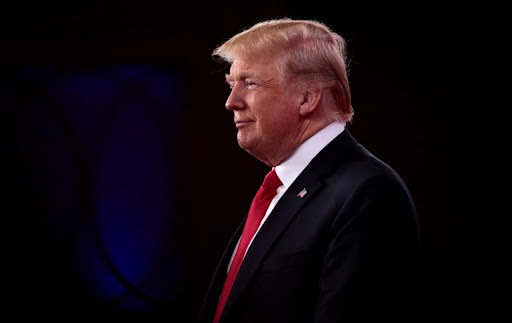
President Donald Trump went on the offensive against NATO on Tuesday, leveraging what he described as a total military victory over Iran to argue that the alliance had proven itself unnecessary and unreliable. He made his case on Truth Social and before reporters in the Oval Office, calling the allied nations’ refusal to participate a “foolish mistake.” Trump said he was “disappointed” but had “always” known the alliance would fall short when it mattered.
Trump’s critique of NATO is longstanding and ideologically consistent. He believes that wealthy European nations have long exploited American generosity, collecting the benefits of US military protection without offering meaningful support in return. The Iran episode has sharpened that critique to its finest point yet.
The President described the results of the military campaign against Iran as decisive and comprehensive, asserting that the country’s armed forces had been effectively eliminated. He cited the destruction of Iran’s navy, air force, radar systems, and anti-aircraft capabilities as evidence. He further claimed that Iranian leadership had been removed at virtually every level of command, permanently ending Tehran’s capacity to threaten American partners.
If confirmed, these outcomes would represent a transformative shift in the Middle East’s security architecture. Iran’s neutralization would alter the strategic calculations of every nation in the region, creating both new opportunities and new uncertainties. Trump appeared entirely confident that the operation had succeeded on every significant dimension.
For NATO, the episode presents a critical test of its capacity to maintain cohesion in the face of sustained American criticism. Allied governments will need to find a response that addresses legitimate concerns without widening the rift with Washington. The alliance’s future will depend on how successfully it meets that challenge.