
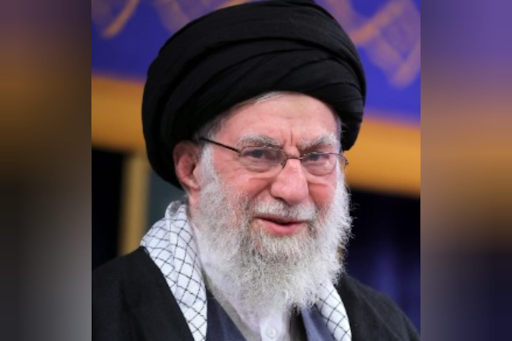
At multiple points in his nearly four decades of rule, Ayatollah Khamenei faced genuine opportunities to reform the Islamic Republic — to create more political space, reduce economic isolation, and accommodate the aspirations of a changing population. He consistently chose not to. Understanding why those opportunities were missed helps explain how Iran arrived at its current crisis.
The presidency of Mohammad Khatami in the late 1990s and early 2000s represented perhaps the most significant reform opportunity. Khatami’s landslide election victories demonstrated that large majorities of Iranians wanted a more open, less ideologically rigid governance model. The economy was growing. Iran’s relationship with Europe was expanding. For a brief period, the country felt like it might be opening.
Khamenei systematically dismantled that opening. The Guardian Council disqualified reformist candidates from elections. Reformist newspapers were closed. Activists and politicians were imprisoned. The 2009 election crisis — which many believe involved the manipulation of results to deny reformist candidate Mir Hossein Mousavi victory — represented the final effective marginalization of reformist politics.
Each time an economic argument for reform emerged — when sanctions were lifted under the 2015 nuclear deal, when foreign investment briefly flowed — Khamenei found reasons to reassert ideological priorities. The result was a country that remained economically strangled while its leadership insisted on the primacy of revolutionary values over material welfare.
This pattern of choosing repression over reform has left the Islamic Republic with a deeply alienated population, no legitimate reform movement, and a security apparatus built for control rather than governance. The new leadership inherits that legacy along with the office.
