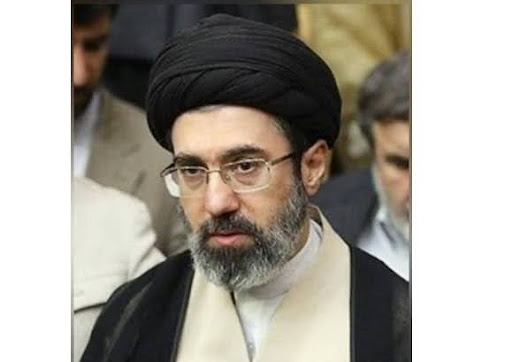
The speed and efficiency with which Iran named a new supreme leader following the assassination of Ayatollah Ali Khamenei was itself a message. When the Assembly of Experts announced the appointment of Mojtaba Khamenei on Sunday, describing the vote as decisive, it was not just naming a new leader — it was demonstrating that the Islamic Republic’s institutional machinery could absorb a catastrophic blow and continue functioning. The regime had lost its supreme leader and replaced him in a matter of weeks.
Mojtaba Khamenei, 56, was the son and informal chief advisor of the late Ayatollah, and had spent his career accumulating the kind of behind-the-scenes influence that made his transition to formal power unusually seamless. His ties to the IRGC, his relationships with conservative clerics, and his deep familiarity with the inner workings of the supreme leader’s office gave him a foundation that other potential successors lacked.
Institutional endorsements arrived in rapid succession. The Revolutionary Guards, the armed forces, parliament’s leadership, and senior security figures all publicly pledged their loyalty within hours. Ali Larijani expressed personal confidence in Mojtaba’s ability to lead. The Houthi rebels congratulated the new supreme leader. State media broadcast a coordinated message of strength and continuity, with missile footage adding a military dimension to the political announcement.
The military operations continued simultaneously. Israel launched fresh strikes on Iranian infrastructure on Monday. Iran attacked five Gulf states. Two people were killed in Saudi Arabia. Bahrain’s desalination plant sustained damage. Oil prices climbed on IRGC threats to push crude above $200 a barrel. Trump warned that Mojtaba’s tenure would be short without US approval. The United States sought to prevent an energy price spiral by pledging not to strike Iranian oil facilities.
Iran’s ability to absorb the assassination of its supreme leader and appoint a successor without apparent internal fracture is a significant demonstration of institutional resilience. Whether that resilience is deep and genuine or a surface-level performance masking real instability will become clearer over time. For now, the Islamic Republic has survived the first shock. The question is whether it can survive what comes next.