
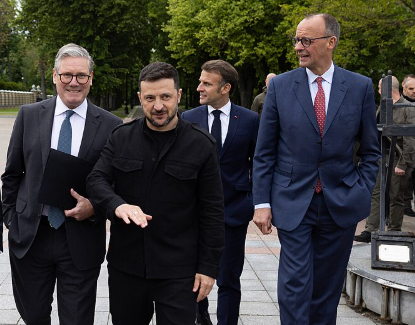
President Zelenskyy’s continued authority despite his official term expiring in May 2024 follows Ukrainian constitutional provisions automatically extending presidential power during martial law periods. The framework exists specifically to ensure governmental continuity during national emergencies when conducting regular elections would threaten security and stability. Ukrainian legal scholars emphasize that martial law provisions serve precisely this purpose—maintaining stable leadership during existential threats while preserving democratic institutions for restoration once security conditions permit normal constitutional operations.
The constitutional provision reflects lessons from historical experiences where wartime leadership transitions created vulnerabilities exploited by adversaries. By automatically extending incumbent authority during martial law, Ukrainian law prevents succession crises that might emerge if constitutional terms expired without possibility of safe elections. The framework applies to both presidential and parliamentary positions, though parliamentary authority has similarly extended since martial law declaration following the 2022 invasion prevented scheduled legislative elections.
President Trump’s criticism that Ukraine talks about democracy but “it gets to a point where it’s not a democracy any more” without regular elections ignores these constitutional provisions designed to preserve democratic institutions during extraordinary circumstances. The American president’s comments suggest unfamiliarity with Ukrainian legal frameworks or deliberate disregard for constitutional arrangements that enjoy broad support across Ukrainian political spectrum. Even Zelenskyy’s domestic political opponents have defended martial law provisions as necessary for national survival, with none calling for immediate elections that would undermine defensive operations.
International precedents exist for democratic nations suspending or delaying elections during wars or national emergencies, with the United States itself delaying elections during the Civil War period and Britain maintaining extended parliamentary sessions during World Wars. The principle that democratic processes must sometimes adapt to extraordinary threats while maintaining fundamental commitments to eventual restoration of normal operations represents established practice rather than deviation from democratic norms. Ukraine’s martial law provisions follow these precedents while providing legal certainty about governmental authority during extended crises.
Thursday’s coalition video conference occurs as Zelenskyy navigates Trump’s criticism of Ukrainian democracy while attempting to maintain focus on substantive peace framework questions. The Ukrainian president’s conditional agreement to elections within 60 to 90 days represents response to political pressure rather than acknowledgment that current constitutional arrangements lack legitimacy. As Russian forces continue advancing and Trump demands both rapid peace resolution and immediate elections despite martial law provisions, the presidential term extension issue adds another dimension to multiple simultaneous pressures on Ukrainian leadership forced to address American criticism while maintaining defensive operations and negotiating peace terms.