
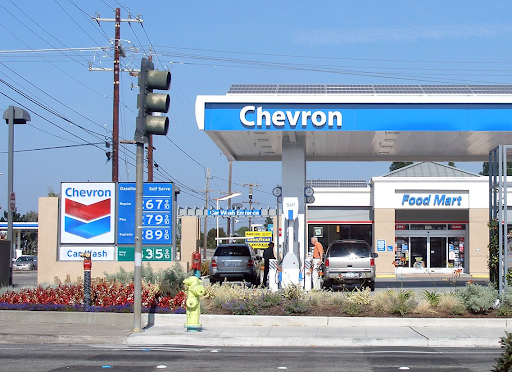
President Trump’s proclamation that US oil companies are ready to invest billions in Venezuela has generated remarkably little public support from the energy industry. Despite Trump’s confident predictions about corporate involvement in Venezuelan oil modernization, major firms are maintaining careful silence or offering vague responses.
At Mar-a-Lago, Trump described how America’s biggest oil companies would invest heavily in Venezuela to repair “rotted” infrastructure and boost production from what he characterized as the world’s largest reserves. He suggested these firms would be reimbursed and would help maximize Venezuela’s international oil sales.
Corporate reactions have been notably reserved. Chevron focused its statement on employee safety and regulatory compliance without mentioning investment plans. ExxonMobil declined to comment on Venezuelan opportunities entirely. ConocoPhillips cautioned that speculation about future Venezuelan business would be premature, indicating these corporations maintain significant hesitation.
Venezuela’s oil situation presents substantial challenges alongside its potential. The country possesses approximately 17% of global reserves but has seen production plummet to about 1 million barrels daily from historical peaks of 3.5 million. Industry analysts estimate that restoring output to just 2 million barrels daily would require around $110 billion.
The nationalization history adds significant complexity to corporate decision-making. Venezuela seized private oil operations in 2007, triggering departures and legal battles that resulted in substantial arbitration awards for ExxonMobil and ConocoPhillips—money that Venezuela has largely failed to deliver. Analysts note that companies will demand solid guarantees before investing heavily.