
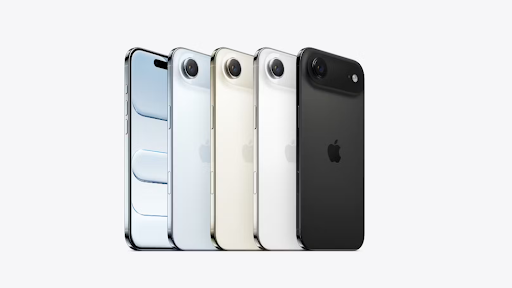
Apple has placed a $999 price tag on its new, dramatically thinner iPhone Air, a bold move as the company navigates the looming threat of Donald Trump’s tariffs on Chinese goods. The announcement, made at its annual September showcase, positions the sleek design as a key selling point for consumers, even as potential price hikes threaten the entire tech industry.
CEO Tim Cook has been actively working to mitigate the impact of these tariffs, shifting a significant portion of production from China to India and preemptively flying in stock to the US. So far, he has avoided the “doomsday” scenario of a $2,000 iPhone, but the economic pressure forms a tense backdrop to the launch of the new iPhone 17 lineup. The $999 starting price for the Air suggests confidence in its supply chain strategy and the product’s appeal.
The phone itself is an impressive piece of engineering. At just 5.6mm thick and constructed from durable “spacecraft titanium,” it aims to deliver a premium feel without sacrificing resilience. It maintains the key features of its predecessors, including a fast-charging battery and a vibrant 6.5-inch display, ensuring users don’t trade function for form.
Beyond the iPhone, Apple also refreshed its AirPods and Apple Watch lines. The new AirPods Pro 3 introduce a live translation feature, while the Apple Watch Series 11 adds sophisticated health monitoring for conditions like hypertension. These ecosystem upgrades are crucial for retaining customers who may be forced to shoulder increased costs if the tariff negotiations falter.