
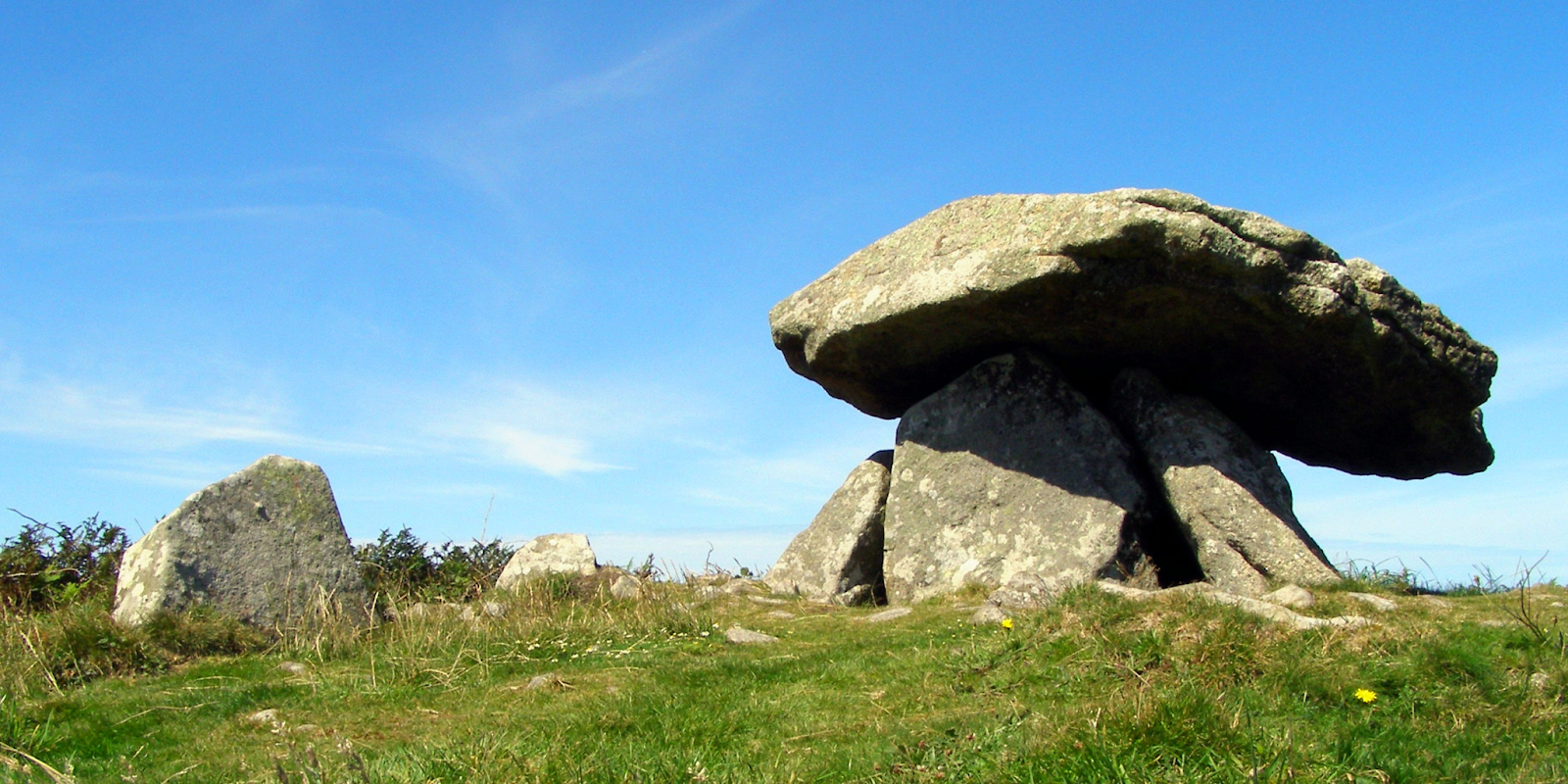
Cornwall’s winter moorlands present stark beauty where granite formations rise through withered vegetation. This austere landscape provided the setting where Neolithic communities developed sophisticated understanding of solar geometry—the mathematical relationships governing how the sun’s position changes through annual cycles. Monuments scattered across these moors record this geometric knowledge in permanent architectural form.
The fundamental geometric principle underlying winter solstice observations involves the sun’s declination—its angular distance from the celestial equator. At winter solstice, the sun reaches maximum southern declination before reversing course. This astronomical fact translates into observable horizon phenomena: the sun sets at its southernmost position along the horizon before beginning to move northward again.
Neolithic communities understood this geometry through sustained observation rather than mathematical formulas. By watching the sunset position shift through autumn—moving progressively southward along the western horizon—they could identify the turning point when the sun reached its extreme before reversing. Distinctive landscape features provided reference markers that made these gradual changes observable and measurable.
Monument construction encoded this geometric knowledge. Positioning Chûn Quoit so observers see winter solstice sunset precisely over Carn Kenidjack required understanding the relationship between observer position, landmark position, and solar position at specific times. Creating such alignments without modern survey equipment demonstrates remarkable practical geometry skills.
The Kenidjack holed stones represent more complex geometric applications. If they functioned as countdown calendars through changing shadow patterns, their designers needed to understand how sunlight angles varied through autumn and how aperture positions would create specific beam effects. This required geometric reasoning about light propagation and shadow formation.
Contemporary appreciation for this prehistoric geometric understanding comes through archaeological research and experiential observation. Modern visitors can witness the same geometric relationships their ancestors tracked—sun positions relative to landscape features, shadow angles, sight line alignments. The Montol festival maintains traditions rooted in these astronomical geometries through ritual acknowledgment of solar patterns. This combination of intellectual understanding and lived experience demonstrates how geometric knowledge embedded in Cornwall’s monuments continues informing contemporary engagements with landscape, astronomy, and the mathematical patterns underlying observable seasonal cycles.