
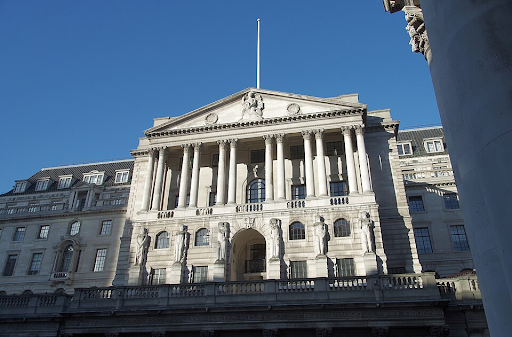
The Bank of England’s decision-making is heavily influenced by its “eyes and ears” on the ground: the regional agents. Their latest report, which fed into the decision to cut rates to 3.75%, paints a picture of a split economy. On one hand, businesses are squeezed by rising costs (like the National Insurance hike) and falling demand. On the other, they are still struggling to recruit skilled staff, keeping wage offers high at 3.5%.
This paradox explains the split vote at the MPC. The “cost squeeze” and falling demand suggest a recession, justifying a rate cut. The “hiring struggle” and high wages suggest inflation, justifying a hold. The agents’ report highlights the complexity of the post-pandemic UK economy, where normal rules don’t seem to apply.
In regions like the North East and Wales, the slowdown is felt more acutely. The agents noted that consumer spending is weak, hurting local high streets. The rate cut is a desperate need for these areas, where business loans and overdrafts are keeping companies afloat.
However, in hubs like London and the South East, the service sector is still buzzing, driving the “sticky” inflation that worries the hawks. The Bank has to set one interest rate for the whole country, effectively trying to treat two different economic illnesses with one pill.
The report serves as a reality check. While the City celebrates the rate cut, the real economy is messy, difficult, and uneven. The agents’ findings suggest that 2026 will remain a challenge for businesses, regardless of what the base rate is.